Sometimes, we feel things long before we have the words to explain them. Art therapy offers another way to explore what is happening beneath the surface. Have you ever been asked how you're feeling, only to find that you don't really know how to answer?
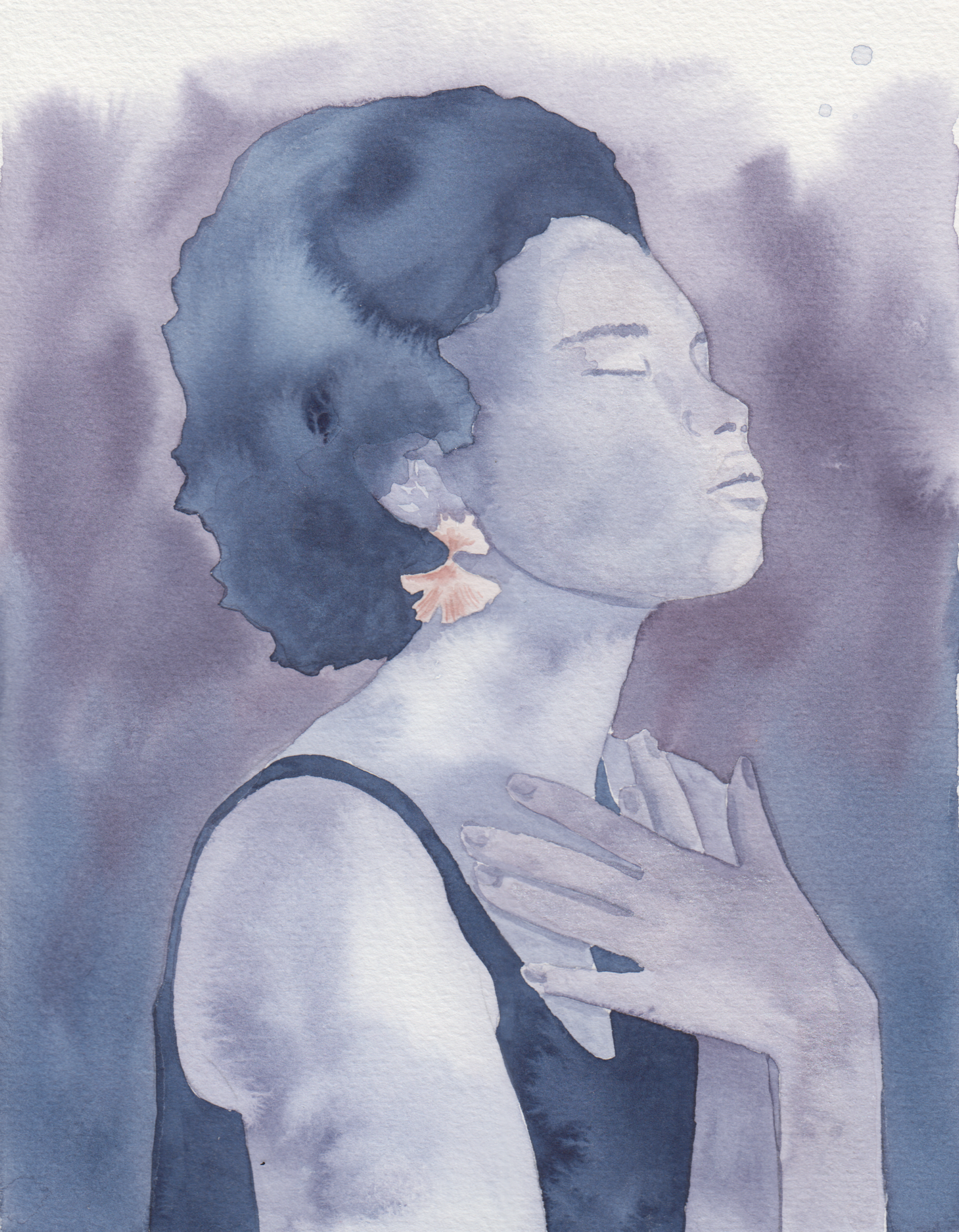
Perhaps you say you're fine because it's easier than trying to explain the complicated mix of emotions beneath the surface. Maybe there is frustration, sadness, grief, anxiety or a sense of disconnection that you can't quite put into words. Sometimes, our experiences are difficult to articulate. We might understand something intellectually, yet still feel it deeply in our bodies. We might know that something has affected us, but struggle to make sense of exactly how. Our experiences are not just held in the stories we tell ourselves. They can influence how we experience our bodies, emotions, relationships and the world around us.
This is where art therapy offers another pathway.Through creative expression, we can begin exploring thoughts, feelings and experiences that may not yet have a language. Rather than relying exclusively on talking, art therapy invites us to engage with our inner world through colour, texture, imagery, movement and materials.
Sometimes, we need another way in.
What Is Art Therapy? And Why Isn't It About Being Good at Art?
Art therapy combines creative expression with psychotherapy. It uses the process of making art as a way to explore emotions, experiences, thoughts and patterns of behaviour within a therapeutic relationship. Unlike approaches that rely primarily on verbal communication, art therapy introduces another way of expressing and exploring our experiences. Think about how difficult it can sometimes be to explain an emotion. You might know that you're overwhelmed, but struggle to understand why. You might recognize a familiar pattern in your relationships but have difficulty identifying where it comes from. Through materials such as paint, clay, collage, drawing and mixed media, you can begin to give these experiences a visual or tangible form. The process isn't about producing something beautiful or technically impressive. It isn't about interpreting your artwork as though there is one correct answer.
It's about exploration.
What colours are you drawn to? What happens when you work with clay? What does it feel like to make something without knowing what the finished result will look like? The artwork becomes an opportunity for curiosity, reflection and discovery. And no, you do not need to be artistic. You don't need previous experience, special skills or even an idea of what you want to create. The materials are simply tools that invite you to explore.
Beyond Words: Understanding the Mind-Body Connection
We often think of our brains and bodies as separate things. We use our minds to think, understand and make decisions, while our bodies carry us through the physical experience of everyday life. But our emotional and physical experiences are deeply interconnected. Stress, anxiety, grief and traumatic experiences can influence how we experience our bodies. We might notice tension, restlessness, fatigue, difficulty relaxing or a sense of disconnection. Sometimes, talking about these experiences can feel overwhelming. Other times, we might find ourselves intellectualizing what happened without feeling any closer to understanding our emotional response. Art therapy can offer an alternative way to explore these experiences. Rather than beginning with an expectation that you explain everything, creative exploration allows you to start with what is present. A colour. A shape. A feeling. A movement. A mark on a page. From there, we can become curious about what emerges.
The Bottom-Up Approach: Beginning With Experience
You may have heard the terms top-down and bottom-up approaches when reading about psychotherapy and the nervous system. These terms describe different ways of understanding and working with our experiences. A top-down approach generally begins with conscious thought, reflection, language and cognitive understanding. A bottom-up approach places greater emphasis on sensory information, bodily experience, emotional responses and physiological states.
Art therapy can incorporate both.
Creative materials offer opportunities to engage with sensory experiences before trying to make sense of everything intellectually. The process can be particularly helpful when words feel limited or when someone finds it difficult to access and communicate their emotions. We might think about this through three interconnected areas of experience.
1. The Body: Sensation and Safety
Our nervous system is constantly responding to information from our internal and external environments. When we experience prolonged stress or difficult life events, we may become more aware of tension, restlessness, emotional overwhelm or difficulty settling. Working with tactile materials such as clay, paint or textured collage can provide opportunities for sensory exploration and present-moment awareness. The repetitive movement of drawing, the feeling of pressing into clay or the experience of choosing and arranging materials can become a way to slow down and notice what is happening. There is no requirement to produce a particular result. The invitation is simply to pay attention.
2. Emotions: Giving Form to What We Feel
Emotions can be complicated. We might experience several feelings simultaneously, or find that our emotional responses don't seem to make sense. Perhaps there is grief alongside relief. Anger alongside sadness. Excitement alongside uncertainty. Creative expression can provide a way to explore these different experiences without needing to immediately explain or resolve them. For example, you might be invited to represent an emotion through colour, shape or imagery. What does frustration look like? If uncertainty had a texture, what might it feel like? What happens when you give a feeling space on the page? These invitations can help develop emotional awareness and create opportunities for reflection within the therapeutic process.
3. Thoughts: Making Meaning and Finding New Perspectives
Once we have explored our sensory and emotional experiences, we can begin reflecting on what they might mean. What connections are emerging? Are there familiar patterns or beliefs that you've started to notice? Has something shifted in the way you understand an experience? This is where verbal reflection, meaning-making and creative exploration can work together. The artwork isn't providing a definitive answer. Rather, it becomes another way of approaching a question, exploring a perspective or discovering something that may not have been obvious before. The thinking mind still has an important role. It simply doesn't have to lead every part of the process.
Why This Matters During Times of Change
Our identities are constantly evolving. Relationships change. Our bodies change. We move through different stages of life, take on new responsibilities and sometimes find ourselves questioning who we are and what we need. Becoming a parent, navigating a relationship transition, experiencing illness, changing careers or moving through a period of grief can all influence how we understand ourselves. Sometimes, the person we thought we were no longer feels like the person we are becoming. These transitions can bring up complicated emotions, including uncertainty, loss, frustration and a longing to reconnect with ourselves. Art therapy can provide a space to explore these experiences.
Through creative expression, we might begin to investigate:
How do I see myself at this stage of my life?
What parts of my identity feel familiar?
What feels like it is changing?
What am I holding on to?
What am I ready to let go of?
What parts of myself would I like to reconnect with?
These questions don't necessarily have immediate answers. Sometimes, the process of exploring them is meaningful in itself.
What Can Art Therapy Support?
Art therapy can be used to support people experiencing a range of emotional and psychological challenges. Depending on the individual, their needs and the therapeutic approach, creative exploration may provide opportunities to:
Explore difficult or traumatic experiences within a supportive therapeutic relationship.
Develop greater awareness of thoughts, emotions and bodily sensations.
Explore feelings that are difficult to communicate verbally.
Strengthen self-understanding and self-compassion.
Navigate identity changes and significant life transitions.
Explore experiences of anxiety, grief, stress and emotional overwhelm.
Develop creative ways of reflecting on personal experiences.
Build a deeper awareness of the relationship between thoughts, feelings and bodily experiences.
Art therapy isn't about forcing an emotional release or uncovering something before you're ready. The therapeutic process should be collaborative, paced according to your needs and grounded in a sense of safety and choice.You Don't Have to Have the Words
One of the things I find meaningful about art therapy is that it offers another way to approach our experiences. We don't always know what we're feeling. We don't always understand why certain experiences affect us the way they do. And sometimes, talking about something repeatedly doesn't necessarily help us discover a new perspective. Creative expression can open up another possibility. Through making, observing, reflecting and exploring, we can begin to develop a different relationship with our experiences. A blank page can become a starting point. A collection of colours can become a way of exploring an emotion. A piece of clay can offer an opportunity to slow down and notice what is happening in the present moment. There is no right or wrong way to begin. You don't need to be an artist. You don't need to know what you're looking for. You don't need to have everything figured out. You simply need a little curiosity and a willingness to explore.
The Art of Becoming
I see creativity as an opportunity to explore the many layers of who we are. Our identities are not fixed. We are continually shaped by our experiences, relationships, memories and the different roles we inhabit. Art psychotherapy offers a space to slow down, reconnect with ourselves and explore the stories we carry. It invites us to move beyond what we think we should feel and become more curious about what is actually happening within us. Sometimes, the most meaningful discoveries happen when we give ourselves permission to explore without needing to know the outcome.
Perhaps your next step isn't finding the right words. Perhaps it's giving yourself the space to create them.
If you're curious about exploring art psychotherapy, I invite you to learn more about working together. You don't need to know where to begin. We can start there.